
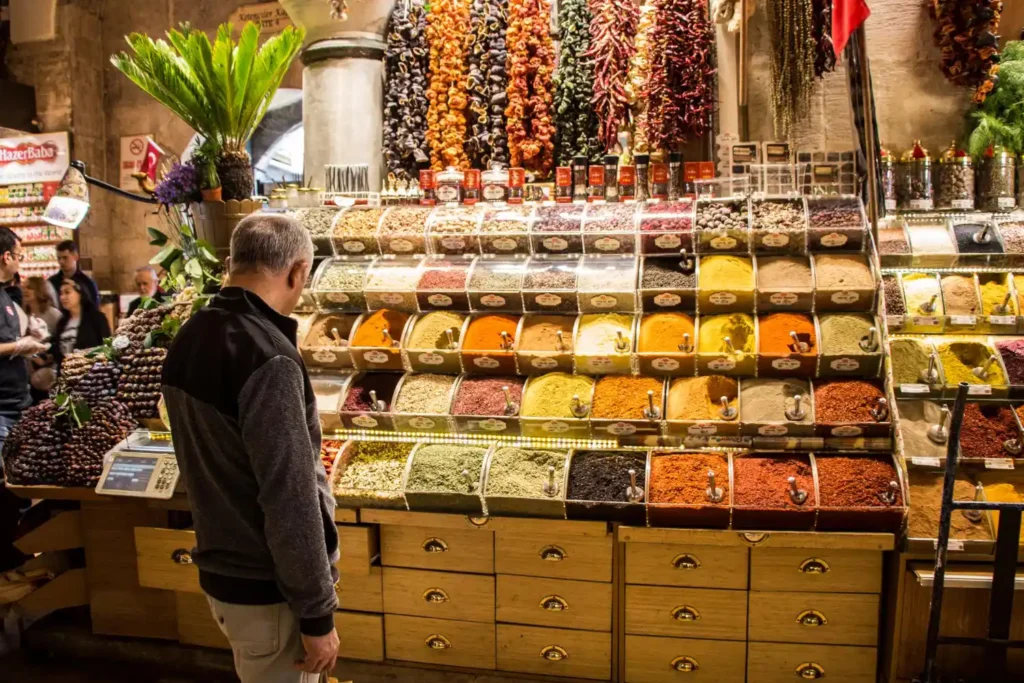
A souk is a traditional open air or covered marketplace found in cities across the Middle East and North Africa.
The word comes from Arabic and simply means market.
You will find souks in cities like Marrakech, Cairo, Damascus, and Dubai, each packed with narrow alleys and tightly clustered stalls.
Unlike a modern shopping mall, a souk grew organically over centuries, shaped by trade routes and daily life rather than a single master plan.
Walking through one, you move through sections dedicated to spices, textiles, metalwork, and gold, each area carrying its own smell, sound, and rhythm.
The History and Culture Behind a Souk
Souks date back over a thousand years, tied closely to the rise of trade along routes connecting Africa, Asia, and Europe.
Merchants set up stalls near city gates or mosques, since foot traffic and safety mattered as much then as it does now.
Over time, these clusters of stalls grew into permanent structures with covered roofs, stone archways, and dedicated sections for each type of good.
You can still see this layout today, where the spice sellers sit apart from the leather workers, and the goldsmiths hold their own separate corner.
Bargaining sits at the center of the souk experience, and it is not considered rude, it is expected.
You state a price, the seller counters, and the back and forth continues until both sides land somewhere fair.
This exchange builds a relationship between buyer and seller that a fixed price tag can never create.
Souks also served as social hubs, where news traveled, deals were struck, and communities gathered outside of formal institutions.
Many souks survived colonization, war, and modernization by adapting their offerings while keeping their core structure intact.
Today, some souks lean into tourism, while others remain working markets that locals rely on for daily goods.
How a Modern Souk Compares to an Online Marketplace
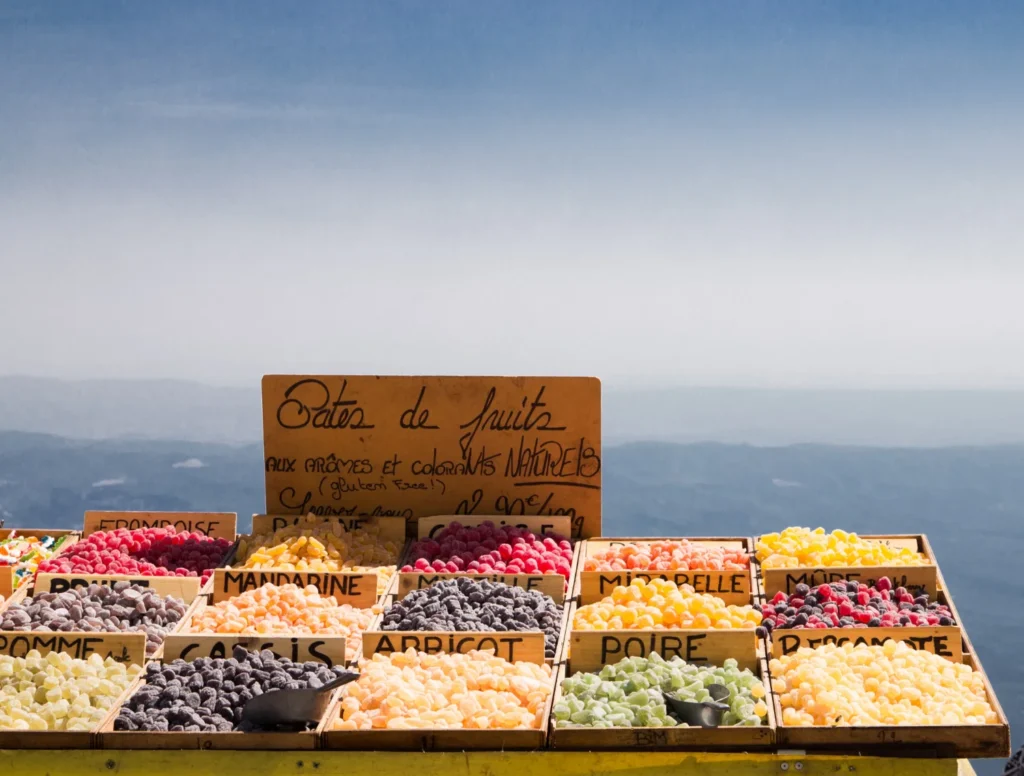
A souk and an online marketplace share the same basic function, connecting many sellers with many buyers in one shared space.
Both rely on reputation, since a seller with a bad name loses customers in a souk just as fast as a low rated seller loses buyers online.
The bargaining culture of a souk finds its modern echo in reviews, ratings, and price comparisons on digital platforms.
Where a souk offers sensory immersion, an online marketplace offers speed, search filters, and delivery to your door.
Neither model has replaced the other, and understanding how a souk works gives you a clearer picture of what makes any marketplace, physical or digital, actually function. Professional writing platforms like Essaypro help students approach challenging assignments by providing carefully researched essays with clear arguments, logical organization, and appropriate academic language.